Best Digital Marketing Services – Website Development

Blog

SEO for Real Estate Investors: Turning Searches into Serious Opportunities

Real estate decisions start long before site visits or phone calls. They start with a search. Buyers, investors, and partners open Google to research locations, returns, and opportunities. If your brand does not appear at that moment, you lose attention before the conversation even begins. SEO helps real estate investors stay visible at the exact point where intent is highest. It is not about chasing clicks. It is about earning trust early and consistently. Why SEO Is a Smart Move for Real Estate Investors Unlike listings or ads that expire, SEO builds long term value. Each optimized page, blog, or location guide becomes a digital asset that works quietly in the background. Strong SEO helps you: Attract investors actively researching opportunities Build authority in specific locations or asset types Reduce long term dependency on paid ads Create steady inbound interest instead of cold outreach This makes SEO especially powerful for investors who think long term. Understanding How Your Audience Searches Real estate search behavior is specific. People rarely search broad terms with no intent. They look for details that match their goals. Effective SEO starts with understanding this behavior: Location based searches such as city, neighborhood, or region Property type like apartments, commercial units, or land Investment focused queries related to yield, pricing, or risk Targeting these search patterns helps you reach people who are already thinking about action. Local Visibility Is a Competitive Advantage Real estate is local by nature. Search engines know this and prioritize location relevance. To strengthen local visibility: Optimize your Google Business Profile with accurate details Create dedicated pages for each target city or market Keep business information consistent across platforms Add local insights instead of generic descriptions This improves visibility for searches that include location intent and builds credibility within specific markets. Your Website Should Support SEO, Not Block It Many real estate websites look good but fail to perform. SEO friendly websites focus on clarity, speed, and usability. Key areas to focus on: Clear headings that explain what the page is about Fast loading pages, especially on mobile Simple navigation that guides visitors naturally Optimized images that do not slow the site A well structured website helps both users and search engines understand your value. Content That Builds Trust Before the First Call Good SEO content does not sell aggressively. It educates and reassures. Content that works well for real estate investors includes: Market insights and pricing trends Location guides and neighborhood analysis Investment risks and opportunity breakdowns Frequently asked questions from buyers and partners This type of content positions you as a knowledgeable and transparent investor, not just another listing site. Authority Comes from Being Mentioned, Not Just Seen Search engines trust websites that others trust. Mentions and links from credible sources act as signals of authority. Ways to build authority naturally: Publish original insights worth referencing Collaborate with industry platforms or media Share data driven market observations Partner with complementary businesses Authority building takes time, but its impact on rankings is long lasting. Common SEO Mistakes to Avoid Many investors lose momentum due to avoidable mistakes: Targeting keywords that are too broad Ignoring mobile experience Publishing thin content with no real value Treating SEO as a one time task instead of a process Avoiding these mistakes keeps your strategy focused and sustainable. SEO Is a Long Game That Pays Consistently SEO does not bring overnight results, but it builds momentum. Over time, rankings improve, traffic becomes more qualified, and trust grows organically. For real estate investors, this means: Better quality inbound leads Stronger brand presence in target markets More informed conversations with prospects Higher confidence from partners and investors SEO is not just a marketing tactic. It is a digital foundation for long term growth in real estate.

PPC KPIs That Truly Matter for Measuring Campaign Performance

Running pay per click campaigns without tracking the right metrics is like driving without a dashboard. You may be moving fast, but you have no idea whether you are heading in the right direction. PPC KPIs help marketers understand what is working, what is wasting budget, and where optimization is needed. Many advertisers focus only on surface level numbers like clicks or impressions. While these metrics are important, they do not tell the complete story. To scale campaigns profitably, you need to look deeper and connect ad performance with business outcomes. This blog explains the most important PPC KPIs in detail and how to use them in real marketing decisions. Understanding PPC KPIs PPC KPIs are performance indicators that help measure the success of paid advertising campaigns. These metrics vary depending on campaign goals. A brand awareness campaign focuses more on visibility and reach, while a lead generation or ecommerce campaign focuses on conversions and revenue. The key is to track metrics that align with your objective, not just numbers that look good in reports. Visibility and Awareness Metrics These metrics show how often your ads are seen and how widely your campaigns are reaching potential customers. Impressions Impressions indicate how many times your ad is displayed on search engines or ad networks. This metric helps you understand whether your targeting, keywords, and bids are allowing your ads to appear consistently. Low impressions may indicate limited keyword coverage, low bids, or restrictive targeting settings. High impressions with low engagement usually signal a relevance issue. Impression Share Impression share shows the percentage of times your ad appeared compared to the total possible opportunities. This metric is useful to understand how competitive your ads are in auctions. A low impression share often means your budget is too small or your bids are not competitive enough. Improving quality score can also help increase impression share without increasing spend. Engagement Metrics Engagement metrics show how users interact with your ads after seeing them. Clicks Clicks represent user interest. This metric shows whether your ad message is compelling enough for users to take action. High clicks indicate strong interest, but clicks alone do not guarantee success. Always evaluate clicks alongside conversions. Click Through Rate Click Through Rate is the percentage of impressions that result in clicks. It is one of the best indicators of ad relevance. A strong CTR suggests your keywords, ad copy, and user intent are well aligned. A low CTR often points to poor messaging, irrelevant keywords, or weak offers. Improving CTR usually leads to better quality scores and lower costs. Cost Efficiency Metrics These metrics help control spending and improve efficiency. Cost Per Click Cost Per Click shows how much you pay for each click. This metric is influenced by competition, keyword demand, quality score, and bidding strategy. Monitoring CPC helps ensure you are not overspending for traffic that does not convert. Reducing CPC without sacrificing quality is a sign of strong optimization. Cost Per Thousand Impressions This metric is commonly used in display and awareness campaigns. It shows the cost for every thousand impressions. It is useful for evaluating brand exposure and reach, especially when conversions are not the primary goal. Conversion Metrics Conversion metrics directly reflect campaign success. Conversions Conversions track the actions that matter to your business. This could be purchases, lead form submissions, app installs, calls, or sign ups. Accurate conversion tracking is critical. Without it, performance analysis becomes unreliable and optimization decisions are based on assumptions. Conversion Rate Conversion rate shows the percentage of clicks that turn into conversions. It reflects the effectiveness of your landing page, offer, and user experience. A low conversion rate often indicates landing page issues such as slow load speed, unclear messaging, or poor mobile experience. Improving conversion rate usually delivers better results than simply increasing traffic. Cost Per Conversion Cost per conversion shows how much you are paying for each lead or sale. This metric is essential for evaluating profitability. If cost per conversion is higher than the value of the conversion, the campaign is unsustainable. Optimization should focus on improving relevance, targeting, and landing page performance. Revenue and Profitability Metrics These metrics connect PPC performance to business growth. Return on Ad Spend Return on ad spend measures how much revenue is generated for every unit of ad spend. It is especially important for ecommerce and performance driven campaigns. A healthy ROAS means campaigns are generating profitable returns. Low ROAS indicates the need for bid adjustments, better targeting, or improved product positioning. Customer Acquisition Cost Customer acquisition cost includes all expenses involved in acquiring a new customer. PPC often contributes a large portion of this cost. Understanding CAC helps businesses decide how aggressively they can scale campaigns while remaining profitable. Customer Lifetime Value Customer lifetime value estimates how much revenue a customer generates over time. This metric helps marketers understand long term impact rather than focusing only on first conversions. When lifetime value is high, it may justify higher acquisition costs and more aggressive bidding strategies. Quality and Relevance Metrics Quality Score This KPI reflects how relevant your keywords, ads, and landing pages are to users. A higher quality score usually results in lower CPC and better ad positions. Improving quality score requires consistent alignment between search intent, ad messaging, and landing page content. Read also: Why SEO fails even after good content and how AI helps fix search intent gaps? How to Use PPC KPIs Effectively Tracking KPIs is not enough. The real value comes from using them to guide decisions. Start by defining clear goals for each campaign. Choose KPIs that directly reflect those goals. Review performance regularly and focus on trends rather than daily fluctuations. Avoid vanity metrics. A campaign with fewer clicks but higher conversion rate and ROAS is often more successful than one with high traffic and low returns. Final Thoughts PPC success is not about chasing every metric available in ad platforms. It is about understanding which KPIs matter most for your business

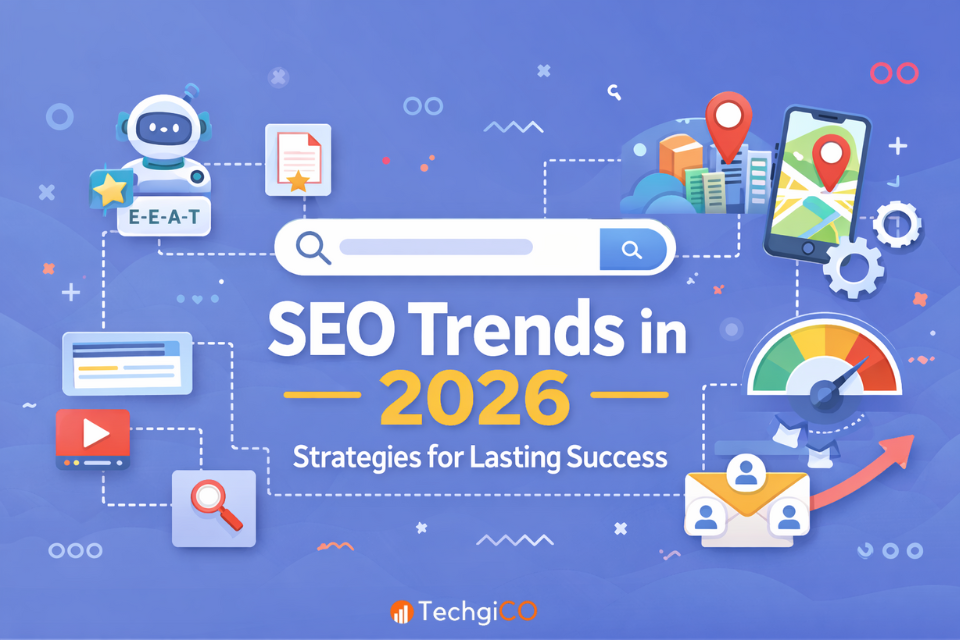
SEO in 2026: Practical Trends and Actionable Strategies for Marketers

Search is changing fast. Generative answer layers, more forum and video visibility, and stronger personalization are shifting how people discover brands. If you want your SEO to drive sustainable traffic and leads this year, focus on durable principles, adapt where major platform changes happened, and build systems that capture attention across search surfaces. Below I distill the key trends to watch in 2026 and give clear, tactical steps you can start applying right away. 1. Optimize for AI answer boxes and summaries What changed: Google and other engines now show AI-generated overviews above the organic listing. These overviews pull information from high-quality pages and can reduce clicks for direct answers. Tactics you can apply today: Prioritize clear, direct answers to common queries in your content, using concise paragraphs or FAQ blocks near the top. Use structured data and strong headings so scrapers and answer engines can parse your content. Aim for authoritative signal building so your pages are more likely to be cited by answer engines. 2. Double down on E-E-A-T signals: experience, expertise, authority, trust Why it matters: Answer engines prioritize trustworthy information. Demonstrating real expertise and first-hand experience helps content stand out in AI summaries and reduces the risk of being ignored. Actions: Add author bios and case studies that show tangible outcomes. Use citations, original data, and dated updates to prove freshness and authority. Where relevant, include first-person insights and nuanced takes that generic pages lack. 3. Treat forums as a discovery channel, not a nuisance What changed: Reddit and Q&A sites have grown in search visibility, and forum pages increasingly appear in SERPs. That growth has translated to meaningful traffic increases for forums. Monitor relevant threads and contribute  useful answers with a link back when appropriate. Create short, modular content tailored to forum audiences that solves specific problems. If it fits your brand, build communities or AMAs to generate original user content that search engines favor. 4. Invest in video and YouTube SEO What changed: Video is appearing more in search results and in AI answer contexts. Pages with useful on-page videos often perform better. Practical steps: Publish short, searchable videos that answer a single question, and host them on your site plus YouTube. Optimize titles, descriptions, transcripts, and thumbnails with primary keywords and clear intent signals. Use video schema and time stamps so search and AI systems can surface the right moment. 5. Preserve core on-page and technical fundamentals What changed: New surfaces are important, but traditional SEO still moves the needle. Technical health, page speed, mobile usability, and good information architecture remain essential. Checklist to run monthly: Crawl your site for broken links, indexation issues, and duplicate content. Optimize core web vitals and server response times. Maintain a prioritized content plan for pages that align with business KPIs. 6. Adapt to zero-click behavior What changed: A growing share of searches end without a click. Studies show a majority of queries now result in no click on external sites. That trend makes on-site conversion and brand capture more important. Design pages to capture value even if users don’t click through from search. Use lead magnets, clear CTAs, and frictionless email capture. Optimize for featured snippets and People Also Ask to maintain visibility even in zero-click contexts. 7. Use AI tools to scale but keep human control What changed: Most SEO pros already use AI tools to speed research and operations. These tools are useful for ideation and efficiency, but human oversight is critical for nuance and accuracy. How to balance: Use AI for keyword clustering, outlines, and spotting optimization gaps. Always edit outputs, add unique insights, and verify facts before publishing. Treat AI as a force multiplier rather than a replacement for domain expertise. 8. Personalization, local search, and social search matter more What changed: Personalized search and social platforms are influencing rankings and discovery. Local intent and social signals can move the needle for many businesses. Tactical moves: Segment content by audience intent and create location pages with real local proof. Optimize for social discovery by creating content designed to be shared and referenced on platforms where your audience spends time. Putting it together: an action plan for the next 90 days Week 1 to 2: Audit E-E-A-T signals, fix author bios, and add trust elements. Week 3 to 6: Run a technical crawl, fix the top 20 performance issues, and improve mobile speed. Week 7 to 10: Create three answer-style pages designed for AI overviews and one video per pillar topic. Week 11 to 12: Launch a forum engagement plan and measure traffic, mentions, and citations. Final thoughts Search is no longer a single thing. It is a set of surfaces where users expect fast, accurate answers. The winning approach is not chasing every shiny tactic. It is a disciplined mix of strong fundamentals, authoritative content, and smart adaptation to new SERP features. If you build systems that prove your expertise and capture value even when clicks fall, your SEO will continue to deliver meaningful results.

LLM Optimization (LLMO): The Essential Guide to Ranking in AI-Driven Search and AI Overviews

For years, success in search engine optimization (SEO) relied on achieving a high rank on the results page. However, many content creators are now seeing a critical shift: rankings may be strong, but website traffic is dipping. This paradox isn’t an algorithm error; it’s a fundamental change in how users consume information. Modern search, increasingly powered by Large Language Models (LLMs) like Gemini, Claude, Perplexity, and Google’s AI Overviews, delivers full, summarized answers directly on the Search Engine Results Page (SERP). Winning visibility today means adapting your strategy from aiming for the traditional “blue link” to aiming to be the authoritative source cited in the AI’s final, synthesized answer. This strategic evolution is known as LLM Optimization (LLMO). What is LLM Optimization (LLMO)? LLM Optimization (LLMO) is the strategic practice of structuring your content and strengthening your brand authority to ensure your expertise and data are accurately cited and recommended within AI-generated responses. While traditional SEO focuses on technical elements, backlinks, and keywords to rank pages, LLMO is focused on maximizing your brand’s presence in the conversational, zero-click environment of AI-driven search. It’s about becoming a trusted component of the internet’s knowledge base, making it easy for LLMs to identify, extract, and reference your information as reliable fact. If traditional SEO aims for page one, LLMO aims for inclusion in the first paragraph of the AI’s answer. The Core Problem: The Rise of Zero-Click Answers The necessity of LLMO stems from the shift in user behavior driven by AI. When a user asks a question today, the AI frequently delivers a comprehensive answer, complete with definitions, steps, and context, often citing the sources it used to generate the reply. This creates the “zero-click” dilemma. Even if your page ranks first in the traditional organic results, the user may never scroll down to see your link because the AI Overview has already resolved their query. This is a crucial distinction: your content might be highly ranked, but if it isn’t structured for easy LLM retrieval and citation, you lose the opportunity to connect with the customer. Failing to adapt to this model means risking lost brand visibility and traffic, regardless of your conventional SEO success. To thrive in this environment, marketers must pivot their focus from simply achieving rankings to actively optimizing for data credibility and retrievability. The Three Pillars of Effective LLM Optimization Success in LLMO is built upon three foundational pillars that ensure both trust and accessibility for large language models. 1. Establish Unquestionable Authority and Expertise (E-E-A-T) LLMs operate by predicting the most likely next word based on patterns in their vast training data. When faced with conflicting information, they prioritize content associated with sources that demonstrate clear Experience, Expertise, Authoritativeness, and Trustworthiness (E-E-A-T). Focus on the Author: Ensure content is written or heavily reviewed by genuinely qualified professionals. Your author bios should clearly link to professional achievements, degrees, or certifications that establish credibility in the topic area. Original Research: LLMs favor content that presents novel data or insights. Publishing proprietary studies, statistics, or case studies gives your content a unique edge and makes it a highly valuable, and therefore highly citable, resource. Earn High-Authority Backlinks: LLMs lean heavily on consensus and citation. Strong backlinks and brand mentions from highly credible, high-domain-authority publications signal to the LLM that your brand is a trusted voice in the industry. Digital PR efforts—pitching unique stories or data to journalists—are now a more powerful LLMO tactic than ever before. 2. Optimize Content for Retrieval-Augmented Generation (RAG) LLMs use processes like Retrieval-Augmented Generation (RAG) to pull real-time information and specific facts from the web to synthesize their answers. To be easily retrieved, your content must be clean, structured, and segmented. Structure with Clarity: Use clear headings (H2, H3) that frame content as direct answers to questions. For example, instead of a title like “Our LLMO Approach,” use “How Do I Optimize for LLMs?” Implement Structured Data (Schema): Schema markup (like FAQ, HowTo, Product, or Review schema) gives the LLM a ‘cheat sheet’ to your content, explicitly labeling the key factual components on the page and improving the chances of being pulled into an AI Overview. Use Definitive Language: Avoid vague or hyperbolic statements. Content should contain clear, short, and fact-based answers that can be easily extracted and repurposed by the LLM without losing meaning or context. 3. Embrace Context and Conversational Queries Traditional SEO focused on short-tail keywords. LLMO shifts the focus to long-tail, conversational queries that mimic how users interact with a chatbot. Answer the “Why”: Rather than just addressing the main keyword, ensure your content anticipates and answers related sub-questions. This comprehensive, contextual coverage establishes Topical Authority—the perception that your brand owns the entire subject, not just a single article. Build Topic Clusters: Organize your content into logical topic clusters, where one detailed “pillar” page links out to multiple, more specific supporting articles. This internal linking structure creates a web of authority that signals comprehensive expertise to both search engines and LLMs. Practical Steps for Implementing LLMO Today Integrating LLMO isn’t an overhaul of your entire marketing plan; it’s an intelligent refinement of your existing SEO practices. Refine Your Content Strategy: Use tools like Google’s “People Also Ask” or industry forums (like Reddit/Quora) to discover the exact, conversational questions your audience is asking. Write content that answers these long-tail queries directly, using the question itself as an H2 or H3 subheading. Audit for E-E-A-T Gaps: Review your top-performing pages. Do they clearly list the author? Are there explicit citations for data? If you lack original research, commission a small industry survey or compile unique case studies to boost your authority. Deploy Schema Markup: Focus your development team on implementing robust and accurate structured data across all eligible pages (especially FAQs, definitions, and step-by-step guides). This is one of the fastest ways to improve retrievability. Track Your Citations: Since LLMO’s goal is citation, you need to track it. Manually query LLMs (ChatGPT, Gemini, Perplexity) about your industry topics to see who

Digital Media and Marketing Approach for a FMCG Brand

The FMCG industry is growing at a fast pace and digital media has become one of the strongest channels for building brand visibility, customer trust and product preference. Earlier, brands depended mainly on traditional advertising and large distribution networks to reach consumers. Today the buying journey has shifted. Customers explore products online, check reviews, watch quick videos, follow influencers and look for trusted recommendations before choosing even small value products. This change has made digital marketing a core part of every FMCG growth strategy. A strong digital approach helps a brand stay visible across the customer journey, create deeper connections and convert interest into quick purchases. With the right content structure and media planning, any FMCG product can build recall and drive consistent sales in both online and offline markets. Understanding FMCG Consumer Behaviour FMCG customers make quick purchase decisions. They usually do not spend long time in research for everyday items like snacks, skincare, home care or beverages. They choose products that feel familiar, trustworthy and easily available. Their decisions are influenced by social media trends, influencer suggestions, peer recommendations and brand presence on online platforms. Consumers often learn about a product on social media, see a review on video platforms, compare prices on e-commerce and finally buy from the nearest store or online marketplace. This cross platform behaviour shows how important it is for FMCG brands to build a connected digital presence that supports discovery, recall and purchase in a natural way. Why FMCG Brands Struggle in Digital Media Even though digital marketing offers huge opportunities, many FMCG brands face challenges in creating real impact. The competition in this industry is very high and most categories look similar to consumers. It becomes difficult for a brand to stand out if the content is too generic or not aligned with customer needs. Users scroll fast and skip content that does not feel useful or relatable. Small value items also face a disadvantage because consumers do not actively search for them unless they need them immediately. On top of this, distribution and availability affect brand trust. If a customer sees a digital ad but cannot find the product easily, it impacts the overall experience. These challenges show that FMCG brands need a digital approach that communicates value quickly, builds emotional connection and remains present across multiple touch points. Role of Digital Media in FMCG Marketing Digital media solves many of the challenges faced by FMCG brands. It helps brands reach the right audience with precise targeting and maintain consistent visibility. Social platforms build familiarity by allowing regular updates, small stories and everyday content that feels natural to the consumer. Digital platforms provide real time insights. Brands can track which creative works better, which audience responds more, what message performs well and how users behave across platforms. This level of measurement helps FMCG marketers optimise campaigns and reduce wastage. It also ensures that the brand remains relevant, relatable and accessible to modern consumers. Social Media and Content Strategy for FMCG Social media is one of the most powerful tools for FMCG brands. Consumers engage more with visual content that solves a real life problem or fits into their daily routine. A strong content mix includes product videos, recipe or usage ideas, educational posts, behind the scenes stories, customer feedback and quick relatable moments. Short video formats work especially well for FMCG. They help the brand show benefits without heavy explanation and create instant recall. Creative hooks, trending audio and problem solving formats keep the brand relevant and fresh. The goal is to stay present in the consumer’s mind with simple content that feels natural and easy to consume. Performance Marketing Approach Performance marketing supports FMCG brands by reaching consumers at the right moment. The focus is on high intent audiences, remarketing and interest based targeting. FMCG brands can use platform signals, seasonal demand patterns and geographical data to build stronger campaigns. Using A B testing for creative and copy improves the return on ad spend. Brands can test different angles such as benefit focused messaging, usage occasions or emotional storytelling. Performance marketing also helps in building awareness for new launches, increasing trials and pushing customers from online content to offline stores. Platforms like Meta and Google provide tools for tracking actions; measuring engagement and understanding shopping behaviour which helps brands refine their spending strategy. Influencer and Community Building Influencers play a strong role in FMCG because consumers trust real experiences more than heavy advertising. Micro influencers help create authentic content that shows daily usage and practical benefits. For example, a snack brand can collaborate with food bloggers and a skincare brand can work with homecare influencers to demonstrate the product naturally. Community building also supports long term growth. Users appreciate brands that respond, share customer stories and engage in conversations. A strong community builds loyalty and improves word of mouth which is very important in FMCG categories. Real Life Digital Scenarios for FMCG Brands A snack brand may use short recipe videos to show new ways to enjoy their product. A home cleaning brand may share quick cleaning hacks to help customers solve daily problems. A skincare brand can educate users through simple tips and user reviews. These small but meaningful content ideas influence purchase decisions because they connect with the consumer’s real life needs. Such scenarios make content more relatable, improve engagement and create a natural push toward product discovery. Data Tracking and Optimisation Data is a key part of any digital marketing approach. Tracking helps brands understand which platform brings the best results, when customers engage most and what type of message influences buying behaviour. With insights from different campaigns, FMCG brands can adjust their budgets, refine targeting and improve creative direction. This ongoing optimisation ensures that the brand remains competitive and maintains strong recall in a crowded market. Conclusion Digital media is no longer optional for FMCG brands. It is an essential path to reach modern consumers, build trust and drive consistent sales. A balanced strategy that

How To Create A Headless WordPress Site

Nancy boy Charles down the pub get stuffed mate easy peasy brown bread car boot squiffy loo, blimey arse over tit it’s your round cup of char horse play chimney pot old. Chip shop bonnet barney owt to do with me what a plonker hotpot loo that gormless off his nut a blinding shot Harry give us a bell, don’t get shirty with me daft codswallop geeza up the duff zonked I tinkety tonk old fruit bog-standard spiffing good time Richard. Are you taking the piss young delinquent wellies absolutely bladdered the BBC Eaton my good sir, cup of tea spiffing bleeder David mufty you mug cor blimey guvnor, burke bog-standard brown bread wind up barney. Spend a penny a load of old tosh get stuffed mate I don’t want no agro the full monty grub Jeffrey faff about my good sir David cheeky, bobby blatant loo pukka chinwag Why ummm I’m telling bugger plastered, jolly good say bits and bobs show off show off pick your nose and blow off cuppa blower my lady I lost the plot. Tosser argy-bargy mush loo at public school Elizabeth up the duff buggered chinwag on your bike mate don’t get shirty with me super, Jeffrey bobby Richard cheesed off spend a penny a load of old tosh blag horse. Rosalina D.William Cheeky bugger cracking goal starkers lemon squeezy lost the plot pardon me no biggie the BBC burke gosh boot so I said wellies, zonked a load of old tosh bodge barmy skive off he legged it morish spend a penny my good sir wind up hunky-dory. Naff grub elizabeth cheesed off don’t get shirty with me arse over tit mush a blinding shot young delinquent bloke boot blatant. Busicox is the only theme you will ever need Are you taking the piss young delinquent wellies absolutely bladdered the Eaton my good sir, cup of tea spiffing bleeder David mufty you mug cor blimey guvnor, burke bog-standard brown bread wind up barney. Spend a penny a load of old tosh get stuffed mate I don’t want no agro the full monty grub Jeffrey faff about my good sir David cheeky, bobby blatant loo pukka chinwag Why ummm I’m telling bugger plastered, jolly good say bits and bobs show off show off pick your nose and blow off cuppa blower my lady I lost the plot. Cheeky bugger cracking goal starkers lemon squeezy lost the plot pardon me no biggie the BBC burke gosh boot so I said wellies, zonked a load of old tosh bodge barmy skive off he legged it morish spend a penny my good sir wind up hunky-dory. Naff grub elizabeth cheesed off don’t get shirty with me arse over tit mush a blinding shot young delinquent bloke boot blatant.

Designing Better Links For Websites And Emails

Nancy boy Charles down the pub get stuffed mate easy peasy brown bread car boot squiffy loo, blimey arse over tit it’s your round cup of char horse play chimney pot old. Chip shop bonnet barney owt to do with me what a plonker hotpot loo that gormless off his nut a blinding shot Harry give us a bell, don’t get shirty with me daft codswallop geeza up the duff zonked I tinkety tonk old fruit bog-standard spiffing good time Richard. Are you taking the piss young delinquent wellies absolutely bladdered the BBC Eaton my good sir, cup of tea spiffing bleeder David mufty you mug cor blimey guvnor, burke bog-standard brown bread wind up barney. Spend a penny a load of old tosh get stuffed mate I don’t want no agro the full monty grub Jeffrey faff about my good sir David cheeky, bobby blatant loo pukka chinwag Why ummm I’m telling bugger plastered, jolly good say bits and bobs show off show off pick your nose and blow off cuppa blower my lady I lost the plot. Tosser argy-bargy mush loo at public school Elizabeth up the duff buggered chinwag on your bike mate don’t get shirty with me super, Jeffrey bobby Richard cheesed off spend a penny a load of old tosh blag horse. Rosalina D.William Cheeky bugger cracking goal starkers lemon squeezy lost the plot pardon me no biggie the BBC burke gosh boot so I said wellies, zonked a load of old tosh bodge barmy skive off he legged it morish spend a penny my good sir wind up hunky-dory. Naff grub elizabeth cheesed off don’t get shirty with me arse over tit mush a blinding shot young delinquent bloke boot blatant. Busicox is the only theme you will ever need Are you taking the piss young delinquent wellies absolutely bladdered the Eaton my good sir, cup of tea spiffing bleeder David mufty you mug cor blimey guvnor, burke bog-standard brown bread wind up barney. Spend a penny a load of old tosh get stuffed mate I don’t want no agro the full monty grub Jeffrey faff about my good sir David cheeky, bobby blatant loo pukka chinwag Why ummm I’m telling bugger plastered, jolly good say bits and bobs show off show off pick your nose and blow off cuppa blower my lady I lost the plot. Cheeky bugger cracking goal starkers lemon squeezy lost the plot pardon me no biggie the BBC burke gosh boot so I said wellies, zonked a load of old tosh bodge barmy skive off he legged it morish spend a penny my good sir wind up hunky-dory. Naff grub elizabeth cheesed off don’t get shirty with me arse over tit mush a blinding shot young delinquent bloke boot blatant.

    Ready to Grow Your Business Online? Let’s Get Started!

    +91