
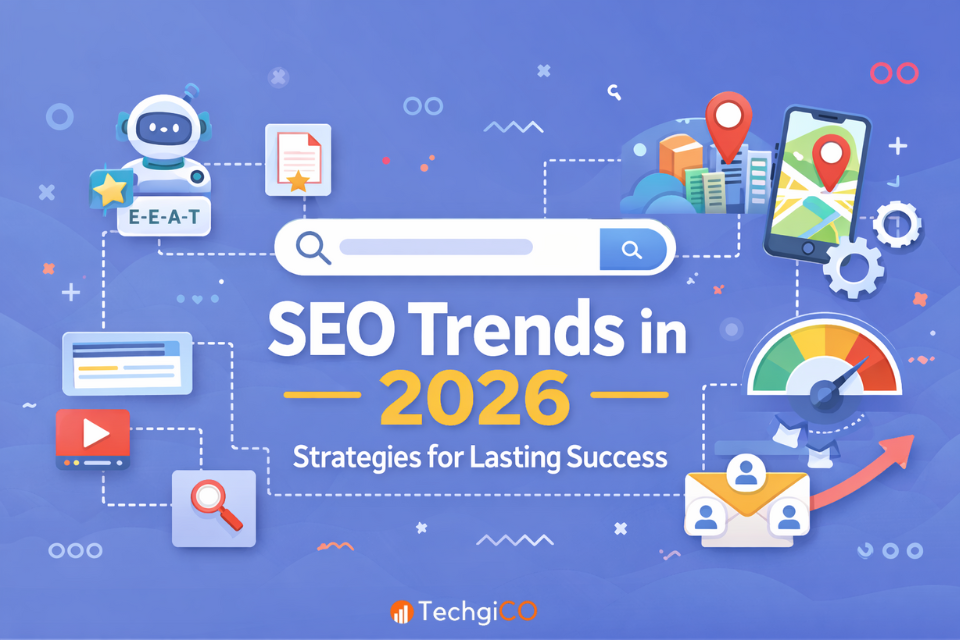
Search is changing fast. Generative answer layers, more forum and video visibility, and stronger personalization are shifting how people discover brands. If you want your SEO to drive sustainable traffic and leads this year, focus on durable principles, adapt where major platform changes happened, and build systems that capture attention across search surfaces. Below I distill the key trends to watch in 2026 and give clear, tactical steps you can start applying right away.
1. Optimize for AI answer boxes and summaries
What changed: Google and other engines now show AI-generated overviews above the organic listing. These overviews pull information from high-quality pages and can reduce clicks for direct answers.
Tactics you can apply today:
-
Prioritize clear, direct answers to common queries in your content, using concise paragraphs or FAQ blocks near the top.
-
Use structured data and strong headings so scrapers and answer engines can parse your content.
-
Aim for authoritative signal building so your pages are more likely to be cited by answer engines.
2. Double down on E-E-A-T signals: experience, expertise, authority, trust
Why it matters: Answer engines prioritize trustworthy information. Demonstrating real expertise and first-hand experience helps content stand out in AI summaries and reduces the risk of being ignored.
Actions:
-
Add author bios and case studies that show tangible outcomes.
-
Use citations, original data, and dated updates to prove freshness and authority.
-
Where relevant, include first-person insights and nuanced takes that generic pages lack.
3. Treat forums as a discovery channel, not a nuisance
What changed: Reddit and Q&A sites have grown in search visibility, and forum pages increasingly appear in SERPs. That growth has translated to meaningful traffic increases for forums.
-
Monitor relevant threads and contribute useful answers with a link back when appropriate.
-
Create short, modular content tailored to forum audiences that solves specific problems.
-
If it fits your brand, build communities or AMAs to generate original user content that search engines favor.
4. Invest in video and YouTube SEO
What changed: Video is appearing more in search results and in AI answer contexts. Pages with useful on-page videos often perform better.
Practical steps:
-
Publish short, searchable videos that answer a single question, and host them on your site plus YouTube.
-
Optimize titles, descriptions, transcripts, and thumbnails with primary keywords and clear intent signals.
-
Use video schema and time stamps so search and AI systems can surface the right moment.
5. Preserve core on-page and technical fundamentals
What changed: New surfaces are important, but traditional SEO still moves the needle. Technical health, page speed, mobile usability, and good information architecture remain essential.
Checklist to run monthly:
-
Crawl your site for broken links, indexation issues, and duplicate content.
-
Optimize core web vitals and server response times.
-
Maintain a prioritized content plan for pages that align with business KPIs.
6. Adapt to zero-click behavior
What changed: A growing share of searches end without a click. Studies show a majority of queries now result in no click on external sites. That trend makes on-site conversion and brand capture more important.
-
Design pages to capture value even if users don’t click through from search. Use lead magnets, clear CTAs, and frictionless email capture.
-
Optimize for featured snippets and People Also Ask to maintain visibility even in zero-click contexts.
7. Use AI tools to scale but keep human control
What changed: Most SEO pros already use AI tools to speed research and operations. These tools are useful for ideation and efficiency, but human oversight is critical for nuance and accuracy.
How to balance:
-
Use AI for keyword clustering, outlines, and spotting optimization gaps.
-
Always edit outputs, add unique insights, and verify facts before publishing.
-
Treat AI as a force multiplier rather than a replacement for domain expertise.
8. Personalization, local search, and social search matter more
What changed: Personalized search and social platforms are influencing rankings and discovery. Local intent and social signals can move the needle for many businesses.
Tactical moves:
-
Segment content by audience intent and create location pages with real local proof.
-
Optimize for social discovery by creating content designed to be shared and referenced on platforms where your audience spends time.
Putting it together: an action plan for the next 90 days
Week 1 to 2: Audit E-E-A-T signals, fix author bios, and add trust elements.
Week 3 to 6: Run a technical crawl, fix the top 20 performance issues, and improve mobile speed.
Week 7 to 10: Create three answer-style pages designed for AI overviews and one video per pillar topic.
Week 11 to 12: Launch a forum engagement plan and measure traffic, mentions, and citations.
Final thoughts
Search is no longer a single thing. It is a set of surfaces where users expect fast, accurate answers. The winning approach is not chasing every shiny tactic. It is a disciplined mix of strong fundamentals, authoritative content, and smart adaptation to new SERP features. If you build systems that prove your expertise and capture value even when clicks fall, your SEO will continue to deliver meaningful results.
Leave a Reply